
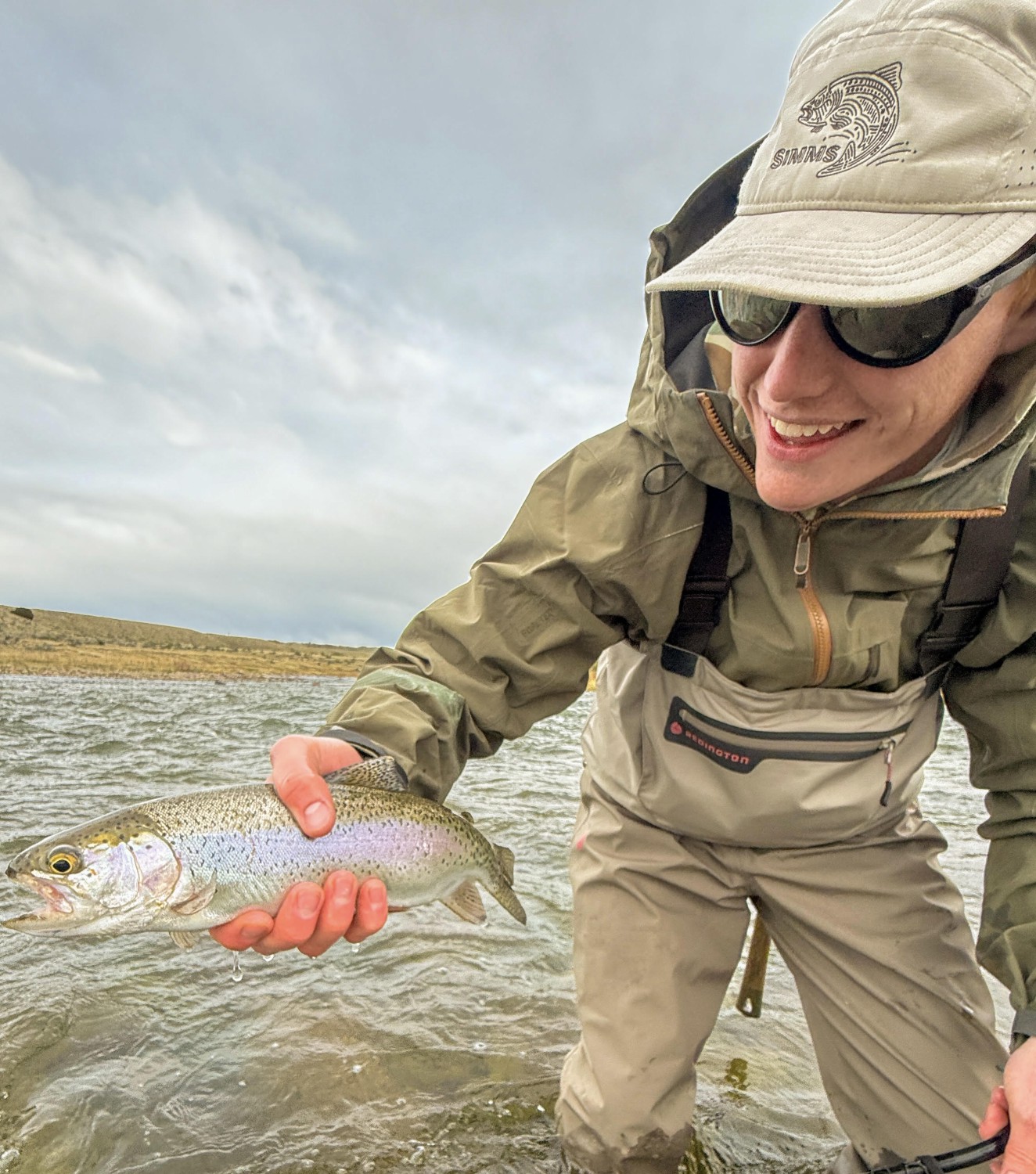

A successful day of trout fishing requires a lot more than having the right fly. Anglers need to fish in the right places and at the right time of year. One of the biggest factors, and often overlooked, when trying to find fish is water temperature. Thankfully, water temperature is one of the simplest things an angler can measure, but it is also one of the most telling attributes for understanding how trout will behave in that environment. It affects how actively trout feed, where they will hold, and how they will recover after being caught.
Trout are ectothermic, meaning they change their body temperature based on the water around them. Their metabolism also changes with the water temperature. You don’t need to have an extensive understanding of these biological changes in order to use this to land more trout. A stream thermometer and a basic understanding of how temperature-related behaviors can make a big difference in your trout game.
Water Temperature Sets the Pace
In the early stages of my fly fishing journey, a wise man once told me that all I need to know about catching trout is two things: one, trout are hungry, and two, trout are lazy. Our goal as trout anglers is to put flies in front of fish in a way that they can conserve their energy when eating. In cold water, trout’s metabolism slows, and so do their eating habits. This is why, during the colder months, trout tend to settle in deep pools and slower streams; they want to stay where they can feed without fighting currents.
As water temperature rises into the 40s and 50s, trout become more active for a few reasons. First, their metabolism increases, and second, aquatic insects become more active; this means trout will begin falling into their typical feeding habits: riffles, runs, and more defined feeding lanes. For many anglers, this is the type of trout fishing we are used to. But of course, warmer water does not always mean more active fish. Once the water hits around 70 degrees, trout require more energy to simply survive.
The exact preferred range depends on many other factors such as species, population, and geography. For trout, brook trout and cutthroat are far more volatile, while brown and rainbow are typically more resistant.
When to Call it Quits
Carrying a thermometer is a great tool for a conservation-minded angler. Water that is at a good temperature in the morning can change fast as the sun beats down into the afternoon. Carrying one with you and using it throughout the day will help you know what best practices are for the fish. Fishing that early morning bite is more rewarding for the angler, and the fish will agree.
Knowing where and where not to fish is also important. As summer temperatures increase, many trout will seek refuge in cold water tributaries and springs. While it can be tempting to fish these trout rich areas, the notion of catching a few extra fish can be detrimental to the resource. These fish are simply trying to survive rising water temperatures and are already stressed to begin with, and letting them have a breath of fresh, cold water is vital to their survival.
Knowing when to call it is also crucial. The general rule of thumb for trout is around 70 degrees, but it really depends on where you are. Native cutthroat and brook trout areas might suggest quite a bit lower. Some areas have voluntary or mandatory local fishing closures, and it’s vital to listen. That doesn’t mean you have to put the rod away; maybe pivot to some colder water tailwaters or go try your luck with some warm water species.
Modifying Your Catch and Release
If you are fishing in water that is pushing these limits, you must change how you fight and release these trout. One good tactic is to fish with some larger tippet. Heavier tippet helps you put more pressure on the fish to land it faster, making the fight much less exhausting for the fish.
Once you’ve netted that fish, make sure you keep it completely submerged, as even a little air time can be all it takes in these warmer water environments. Lastly, skip the photo; that fish is worth more than the Instagram post, plus the story of the fish is always bigger than the photo.
From the Bighorn to Europe, I have found that the sweet spot for rising fish and BWO hatches to be 56/57 degrees Fahrenheit. Often in the morning, when the water temp rises to those numbers, it’s like pushing a button.
Thank you for your input!