

The Rocky Mountain West is a trout bum’s paradise. Its combination of abundant rivers, cold water, and prolific bug life has drawn more people out West than ever before. Add to that a mix of tailwaters that grow giants, freestones, and spring creeks, and there is a river for any fishing style. If you’re new to trout fishing out West, knowing where to start can be the hardest part. Thankfully, tools like onWater Fish exist to give anglers the knowledge they need to scour new water and successfully catch fish. In this guide to fishing the Rocky Mountain West, we’ll run through the trout fishing basics, access rules, and how to get the most out of onWater for this unique region.
Rocky Mountain Access Trout Fishing Basics
The Rocky Mountain West is big, spanning multiple states with countless miles of fishable water. The biggest difference in this region between areas like the Northeast is the size of the rivers. While many eastern rivers are freestones and spring creeks, the West also has an abundance of tailwater fisheries. A tailwater is a river fed by a bottom-release dam, providing a constant source of cold water and managed flows. These rivers are incredibly productive trout fisheries, and some span multiple states.

In addition to the fabled tailwaters, plenty of freestone and spring creeks can be found throughout the West. These rivers are smaller than tailwater fisheries, but are still incredibly productive, holding excellent bug life and trout fishing. With plenty of water to choose from, you can cater to your preferred style of fishing.
Stream Access
Western trout rivers vary widely in terms of accessibility, depending on the state. While some, like Montana, have extremely liberal access laws, others, like Colorado, are much more restrictive. It’s important to learn river access laws for the states you plan on fishing in to ensure you are not breaking any rules.

In general, if you are fishing from a drift boat, you may cross over private water as long as the river is considered “navigable”. However, some states, like Colorado, have strict laws allowing landowners to own the streambed. If this is the case, you can not touch the streambed. That means no anchoring and no wading, unless it’s to navigate a stretch of water or to portage over an obstruction safely.
For wading anglers, public access becomes a lot more complicated. Some states, like Montana, allow anglers to fish any river or stream as long as they are below the high water mark. Now, for private land, you can’t trespass to get to the river; however, you can wade from a public access spot onto private property as long as you stay below the highwater mark. While this opens up a ton of water, other states are not so accommodating. Wyoming and Colorado do not allow anglers to access rivers and private land. Understanding which rivers you can legally fish in the Rocky Mountain West is essential.
onWater Features for the Rocky Mountain West
Successful fishing in the Rocky Mountain West requires a combination of the correct river, flows, and flies. For new anglers, or those looking to expand their range onWater Fish has several features that can help cut down the learning curve for western anglers.
Access Points and Landowner Information

For wade fishing anglers, river access laws vary throughout the West, so understanding where you can and can’t fish is essential. onWater’s mapping layers allow you to turn on access points as well as public and private land boundaries. This allows anglers to identify areas they can legally fish without breaking any rules. If you find yourself in Montana, you can use these layers to identify public land that will allow you to wade to private land. Just be sure you stay below the high water mark at all times. You can also see who owns private land along the river, in case you want to ask the landowner for permission. If you’re not sure of the rules, check with the local state fish and game commission.
Boat Ramp Finder and Drift Planning

s boat ramp finder, measuring tool, and float plans.
If you’re fishing from a drift boat, the biggest access issue is finding where to launch your boat. onWater has a boat ramp layer that shows all public boat ramps along rivers and lakes. Using this tool, you can find nearby ramps to launch and take out. The onWater app also allows anglers to map and save floats. This tool measures the distances between points on the river, especially important for multi-day floats. Now you can know exactly how far a float is, where to stop and camp, and where to launch and retrieve your boat.
Hatches

The Rocky Mountain West is synonymous with dry fly fishing and some of the best hatches in the country. That said, not every river has the same hatches and bug life. When you’re scouting rivers and streams using onWater, you can view the bug life and hatches for particular waterbodies. You can use this information to find when and where the hatches are likely to occur to have the best chance at rising trout. This information is also valuable when choosing the right nymphs when bugs aren’t hatching.
Angler Intelligence
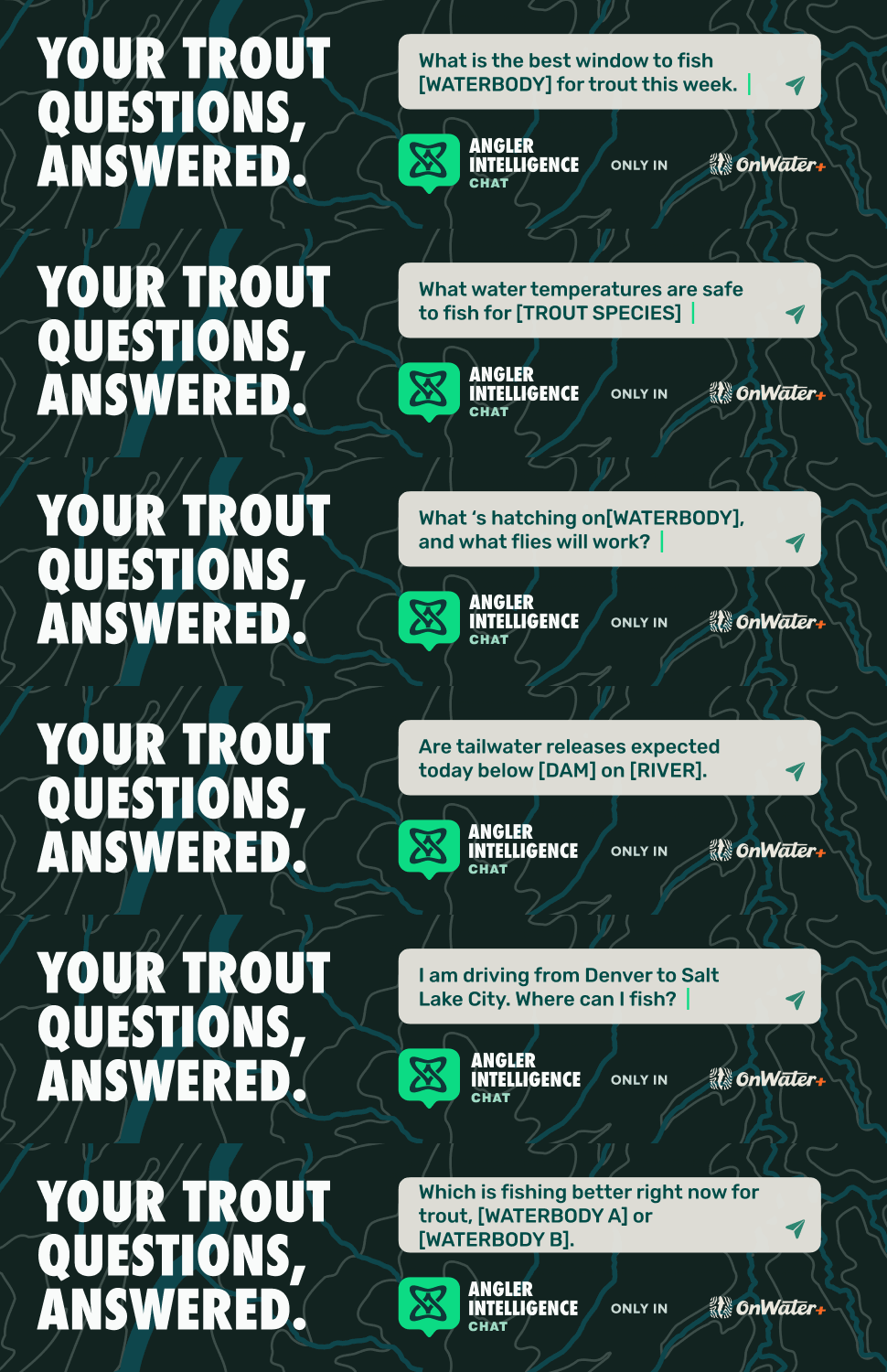
Recently, onWater unveiled its AI software known as Angler Intelligence. This new feature allows anglers to ask Angler Intelligence any question and get an answer in minutes. Want to know what the stream access laws are, or trying to find a particular species of cutthroat? Angler Intelligence will give you all the information you need to make an informed opinion on where and how to fish.
Fishing the Rocky Mountain West:

The Rocky Mountain West has played a pivotal part in the growth of fly fishing. Its endless rivers, big country, and abundance of trout draw anglers from across the country. But if you’re new to the area or a beginner angler, knowing where to begin is daunting. Using onWater for exploring the Rocky Mountain West will help you find new fishing spots, make sure you’re not trespassing, and safely plan your next adventure.

